Monday, March 2, 2015

Child 44 by Tom Rob Smith
Remember when you were a kid back in the 1960's-1980's?  Every bad guy in every thriller or spy movie was a Russian, in every Olympics we booed and hissed the steroid-heavy athletes, and we even had the 'hide under your desk - an atom bomb is being lobbed at us' drills in school.  Seriously, the USSR was baaaaad.  However, once 1989 hit, the wall fell down, and we actually got to see the Eastern bloc countries, we realized...maybe they're not so bad.  (Of course, the Putin-era and his Ukraine fetish has not been good for PR)  The point is, we forget how truly imprisoned the Russians were by their government; Tom Rob Smith reminds us in this stellar thriller set in 1953 Russia.  Leo, the main protagonist and proud member of the MGB secret police, does his job willingly - arresting, interrogating, and sending away anyone who is perceived as 'guilty.' His school teacher wife is a bit of a cipher, as is their relationship.  However, once a strange murder of a little boy is discovered and Leo sees the work of a serial killer, their lives take a variety of turns, none of them particularly positive.  As Leo goes from war-hero to alienated policeman, he is compelled to find this killer and more deeply explore the relationship with both his country and his wife.  The beauty of this book is that it is not only a complex and frightening mystery, it also gives us a thoughtful look into what Russia used to be like.  I give this one a rousing five stars.

Leaving Time by Jodi Picoult
Picoult, the consistently best-selling author, is at times problematic for me.  She can pull me in with fantastic story lines as she did in Nineteen Minutes (provoking book on a school shooting) and The Story Teller (Nazi war criminal hiding in middle America), and then lose me in The Tenth Circle (too stupid to bother explaining).  However, in Leaving Time, I was fascinated by a very different story line that definitely made me keep reading until the shocking ending.  The main characters are Alice, a zoologist who seemingly knows everything there is to know about elephants, and her daughter Jenna, a thirteen year old, sassy redhead who wants to know why her mother disappeared and never returned ten years ago.  The story also includes a rather grumpy, drunken, middle-aged policeman and a hilarious new-age psychic, down on her luck after hitting it big in Hollywood, all with compelling voices.  I learned some very interesting facts about elephants (Picoult definitely did her research) and was highly entertained.  Be prepared for some wild twists and turns at the end that were creative and well done, in my opinion.  Great book:)


The Magigician's Lie by Greer Macallister
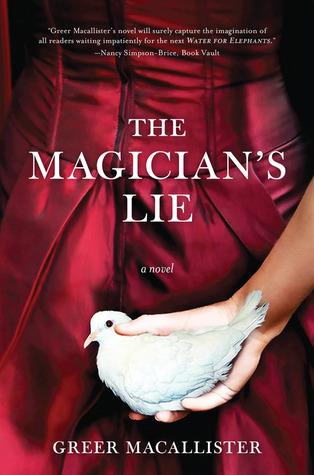
The people of the post-Civil War in America seemed to be quite fascinated with magic and illusions - perhaps it was their way to escape the reality of the death and destruction.  Greer Macallister has written a very solid debut novel about the life of one such illusionist as she tells her story to a quirky little policeman who has captured her after she has allegedly killed her husband.  The 'Amazing Arden' begins at her beginning: her childhood with her mother's escape from overbearing parents into a life of poverty; her budding relationship with either the love of her life or a charlatan; the mentor she finds in a wily old illusionist who fools thousands of people; and the constant cloud of her creepy step-cousin hanging over her.  Macallister embues this book with a sprinkling of magic, mystery, and historical tidbits about the life of a magician long ago.  I found it a compelling and fascinating read.


Lillian on Life by Alison Jean Lester
This rather autobiographical book is getting quite a bit of buzz out on the reading blogosphere so I thought I'd give you my lowly opinion - I was not a fan.  Lillian is a middle-aged woman who looks back on her youth with some wit and sassiness, but I found too much arrogance and self-satisfaction than I did any 'life lessons.'  Lillian recounts her college days, her long-term affair with a married man, illness, family, etc. in short, succinct chapters.  It is a quick read - that is one positive I can recount.  Some of the chapters are entertaining and humorous, but it reminded me of Edna St. Vincent Millay's poem of the tree metaphor and all the birds/lovers who have come and gone.  Everyone makes choices - I don't really want to read a book that whines and brags about some of those choices.  However, it could be an interesting book to discuss at a book club and its brevity is a plus in this world of 500 page books.

The Little Friend by Donna  Tartt
If you have not heard of Tartt's latest book, The Goldfinch, you've been hiding under a rock this past year; it won a Pulitzer and numerous accolades.  Since reading it last winter, I have gone back to her previous two books The Secret History (fabulous re-do of a Lord of the Flies type of story set in college days) and her very first book, The Little Friend, from 2002.  I understand why she takes so long between books - each is a tome of more than 500 pages.  However, Tartt is a master of the written word; even when you'd like to hire her a new editor to slash a hundred pages, the compulsion to keep reading exists.  Rightfully compared to To Kill a Mockingbird, this book has a number of similarities:  the black housekeeper who watches the two children left behind after the murder of their older brother; the quirky and humorous elderly aunts who help to raise the youngest daughter; some dark and intriguing neighbors in their small southern town; and most importantly, a brash, smart, sassy independent little girl and her sidekick friend Hely who attempt to solve the aforesaid murder of her now infamous brother, Robin.  However, the outer appearance of similarities are just that...outer.  As with all Tartt novels, she delves into the dark, deep, hidden parts of the human soul and reveals the ugliness within.  None of these characters shine with the beautiful humanity of Harper Lee's Maycomb characters (there is no Atticus Finch).  At times you will despise each character for their selfishness or cowardice, but the complexity of their choices and the deepening mystery of Robin's murder will force you to keep turning pages.  Will you be satisfied in the end?  Unclear.  But my bet is you will be as intrigued and fascinated as I was.

Adultery by Paulo Coelho
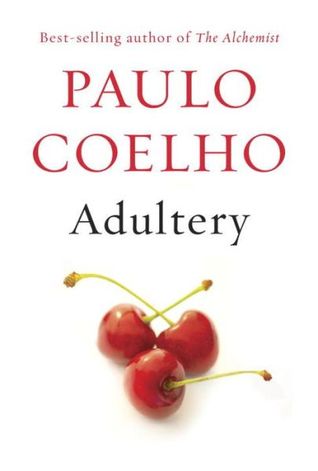
Our latest book club read, I was less than thrilled with the choice, as I was one of the minority in the world not enamored with Coelho's The Alchemist.  However, the story line was so different I figured I wouldn't be bombarded with a long allegory and a preachy voice.  I was half right.  The plot line is straight forward with no metaphorical language or fantastical characters.  Linda has the perfect life in Geneva, Switzerland - she's beautiful and smart, has a rich, handsome husband and two perfect children, but surprise, surprise - she's unhappy, poor girl.  When an old boyfriend returns to her life, we get a 'Fifty Shades of Crap - oops, I mean Grey' kind of story.  Oh, and let's not forget the painfully long preachy voice from Coelho, about love and what is important about life.  Perhaps I would have been more open to the 'lessons' if he had not painted such patently unsympathetic characters.  I found nothing redeemable in Linda, and the boyfriend was no better.  Blech...not a fan.  While it may provide for some interesting book club conversation, my bet is other stories of love, adultery, the stresses of marriage, etc. could do the same thing in a more elegant, literary way.


Doctor Death by Lene Kaaberbol
Admittedly, I just like the title.  Seriously, how fun is it to tell friends I'm reading Doctor Death, especially when they all know I'm obsessed with creepy murder mysteries, especially by ones from Scandinavian writers? This is the first in a new series by Kaaberbol, a Danish writer from Copenhagen, who sets her story in a French province that borders Germany, during the turn of the century when woman were 'owned' by parents or husbands, educational opportunities were few and far between for young girls, and the idea of working with forensics was a view into the future.  Madeleine Karno is a twenty year old girl who eavesdrops on her father's work as a pathologist, soon to be drawn into his world as an accident sidelines him and he needs his daughter to do his investigating.  A young girl has been found dead, and her death leads to subsequent violent deaths in their small provincial town.  Add in a nerdy German insect scientist, some big scary wolves, a few Catholic nuns, and a good mystery is born.  Kaaberbol sets up the ending nicely for her subsequent sequels; I look forward to reading more about the independent, intelligent, driven young Madeleine Karno.

Friday, February 6, 2015

Being Mortal: Medicine and What Matters in the End by Atul Gawande
This is a pretty personal book for me so be forewarned:  this non-fiction book is scary, depressing, inspiring, frustrating, and ultimately life-changing, depending on what chapter you are reading and what stage you are in your own life.  For me, turning fifty-two hasn't been a huge change; I'm physically active and shockingly healthy after living in the cesspool of public-school teaching for many years.  However, over the last nine years, I have participated in my father's death and all the tasks that led up to it - numerous doctor visits after a cancer diagnosis, learning to be the best note-taker, communicator, and advocate for my father that I could be, and dealing with the details of his death. Now, as my mother ages, becoming less and less the mother of my youth, I feel the emotional stress as I watch her move from her own home, to a retirement apartment, to assisted living; I experience the brief flashes of her memory that come far less frequently; and I find myself questioning what we do here in our culture for our parents - is it best for them or for us?  Dr. Atul Gawande, a Boston general surgeon, takes all of these ideas of mortality and looks at them piece by piece.  He intersperses anecdotal stories of dying young people, slowly deteriorating elderly couples, and even his own father to help personalize the journey of where medicine has been in our care of morality, and the possibilities for the future.  It is a supremely compelling read, and while aggravating and disheartening at times, it made me question my choices for my mother in a healthy way.  In the long run, I hope it will help me be a stronger advocate for her quality of life.  I cannot recommend this book highly enough - it is a must-read.

The Girl on the Train by Paula Hawkins
If you're like me, I am sick to death of hearing "This is the next Gone Girl!"  Newsflash ...Gillian Flynn cannot be replicated - she is capable of writing brilliant prose plus she sucks you into her own freaky mind games in a complex and thought-provoking manner.  However, with that said, Girl on the Train is a very solid thriller that definitely keeps one turning the pages.  Told from the perspective of a few different characters, it jumps through time as it relays how a young wife disappears from her small London suburban bungalow.  Rachel is the most prevalent narrator.  Her life is a disaster, seriously.  A young, recently divorced young woman who has nothing going for her - she's a drunk, she likes to make late night inebriated phone calls to her husband and new wife, she's unemployed, and she lives in a friend's spare room.  As she pretends to go to work each day on the train into London, she fantasizes about the young couple she sees in the cottage next to the train line. One night, this young woman vanishes and Rachel seems to get herself wrapped up in the whole bloody mess.  A mystery fanatic should be able to figure out 'whodunnit' by the last quarter of the book, but who knows?  It is a compelling read until the very last page.

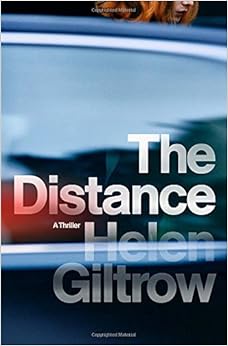
The Distance by Helen Gitrow
Remember Robert Ludlum from back in the 1980's?  He was the master of government thrillers, espionage, and murder, all wrapped up in a complex and sometimes confusing plot line.  Helen Gitrow seems to have taken his recipe for her first outing into the world of mystery.  She has created a futuristic London, which is not all the futuristic; the only difference being they have come up with a new prison system where they block off a few streets and create a neighborhood for the worst of the worst.  Enter our protagonist, the beautiful socialite Charlotte, or known by her alter-ego, Karla; the woman is the techie wizard who creates any identity you want and gets you anywhere you want to go.  A man from her past wants into this new neighborhood prison - it will take you the entire book to figure out why.  Gitrow explores  the high-tech world of crime and how it has changed the way the bad guys can conduct their business.  However, my memory of Ludlum was that he could also create compelling characters that were rich and developed; I did not find that with Gitrow.  The book is heavily plot driven, with little character development into their motivations and pasts; I would have liked more.  If you like complex and confusing, this is the book for you.  Me, I like my mysteries a bit more richly drawn.

Three Wishes and The Last Anniversary by Liane Moriarty
Having read What Alice Forgot, Big Little Lies, and The Husband's Secret, I figured all of her books were compelling page turners; I was mostly right.  Let's starts with Three Wishes.  Honestly, it's a hoot!  The story begins with the three main characters, the Kettle triplets, celebrating their 34th birthday.  That first chapter ends with the pregnant triplet looking at the fondue fork sticking out of her stomach, another triplet bloodied from passing out and breaking her jaw on the restaurant table, the third triplet calming calling for help, and the other customers all aghast at what they have seen.  Hence begins the flashbacks to the triplets' lives...filled with parental divorce, spousal cheating, an abusive boyfriend, and all the travails of these hilarious, wickedly mean at times, and engagingly tight-knit sisters.  Listening to the book obsessively, I laughed out loud frequently and occasionally commiserated with the nasty things life threw at them.  It was just an awesome read.  Now, I cannot say the same for The Last Anniversary.  Based around the most sickeningly perfect protagonist, Sophie, who I just wanted to slap most of the time, the story takes place on a small island off the coast of Australia.  A mystery of an abandoned baby long ago has fueled a lucrative commerce on the island and Sophie is pulled in when the main house is left to her unexpectantly.  All the signs of a compelling story yet I just wanted to say "blech" at the end.  All the characters are so two-dimensional, and not particularly likable, the plot line is dreadfully predictable, and the writing is rather blase.  Thank goodness Moriarty learned as she went along and wrote more books.  This one is an example of a first novel to forego.


Friday, January 23, 2015

Books for the New Year

The Wife, the Maid, and the Mistress by Ariel Lawhon
So far, this has been my favorite of 2015.  We first meet Stella, the rich widow of Judge Crater, in a dark bar in New York City, once a famous speakeasy of the gangster days.  In the long ago days of August, 1930, her newly-appointed New York state Superior Court judge husband got into a taxicab and was never seen again.  An enduring  mystery has always surrounded his disappearance and numerous non-fiction books have been written, speculating theories of gangsters, molls, Tammany Hall, even Governor Roosevelt's involvement.  Lawhon takes this story and creates something rather ingenious - the idea that the three women in Judge Crater's life were perhaps more intelligent than police might have suspected.  The beautiful Spanish maid, the Iowa farm-girl turned showgirl and mistress to gangsters, and the pristine socialite wife have much to tell in this fascinating story.  The novel uses time quite creatively, flipping all over the place so pay attention to both days and years.  It won't take you long to devour this fascinating book.

Accidents of Marriage by R. S. Myers
Considering much of the news this past fall on domestic violence and famous people, I was intrigued by the story line of this book.  Myers paints a picture of what could be seen as a fairly 'typical' marriage, and then twists and turns it around until one starts to wonder what is acceptable and where does one draw the line.  Maddy, a social worker and constantly harried mother of two, is married to Ben, a frustrated lawyer working in the public defender's office in Boston.  Both come into the marriage with baggage from their families and their current lives look like many young couples of today:  husband and wife sublimated to just being mom and dad; work schedules that exhaust them, leaving them no time or desire for romance; disagreements about child-rearing and household chores; and the ever-present examples of the oh-so-perfect parents who seem to do everything right.  Throw in a husband with a bad temper and an accident that changes everyone's lives, and you have a very well-written melodrama.  I thought Myers nailed the push-and-pull of today's marriages, as well as dealing with the ideas of abuse encased in love.  Solid book.

Birdman and The Treatment by Mo Hayder
If you just cannot wait until the Girl with the Dragon Tattoo series starts up again (yes, they finally settled the lawsuit and three more books should be released posthumously, thank goodness) and you have exhausted Jo Nesbo and his Harry Hole series, you may want to try the Jack McCaffrey series by Mo Hayder.  Be prepared - they are graphic, gory, creepier-than-creepy murder mysteries - but if that's your 'thing' (I am an admitted addict), then these books are for you.  The main detective, Jack McCaffrey, has just been promoted to detective and brings an intriguing life story into each investigation.  His own brother was kidnapped from their London suburb and never found thirty years ago, and Jack still lives across the street from the pedophile suspected of the dastardly deed.  See...I told you it gets creepy. Each book deals with a different set of murders.  Birdman has a lovely lil serial killer who likes to sew live birds into the body cavities of his female victims - that one keeps you guessing until literally the last chapter.  The Treatment involves a different psychopath who leaves families destroyed, their new homes in ruins, and their children...well, let's just say it's not pretty.  However, Hayder can absolutely keep you guessing throughout the novel and at the same time, is a very solid British writer who creates complex and intriguing characters.  I plan to read the other six or seven books out there as well:)


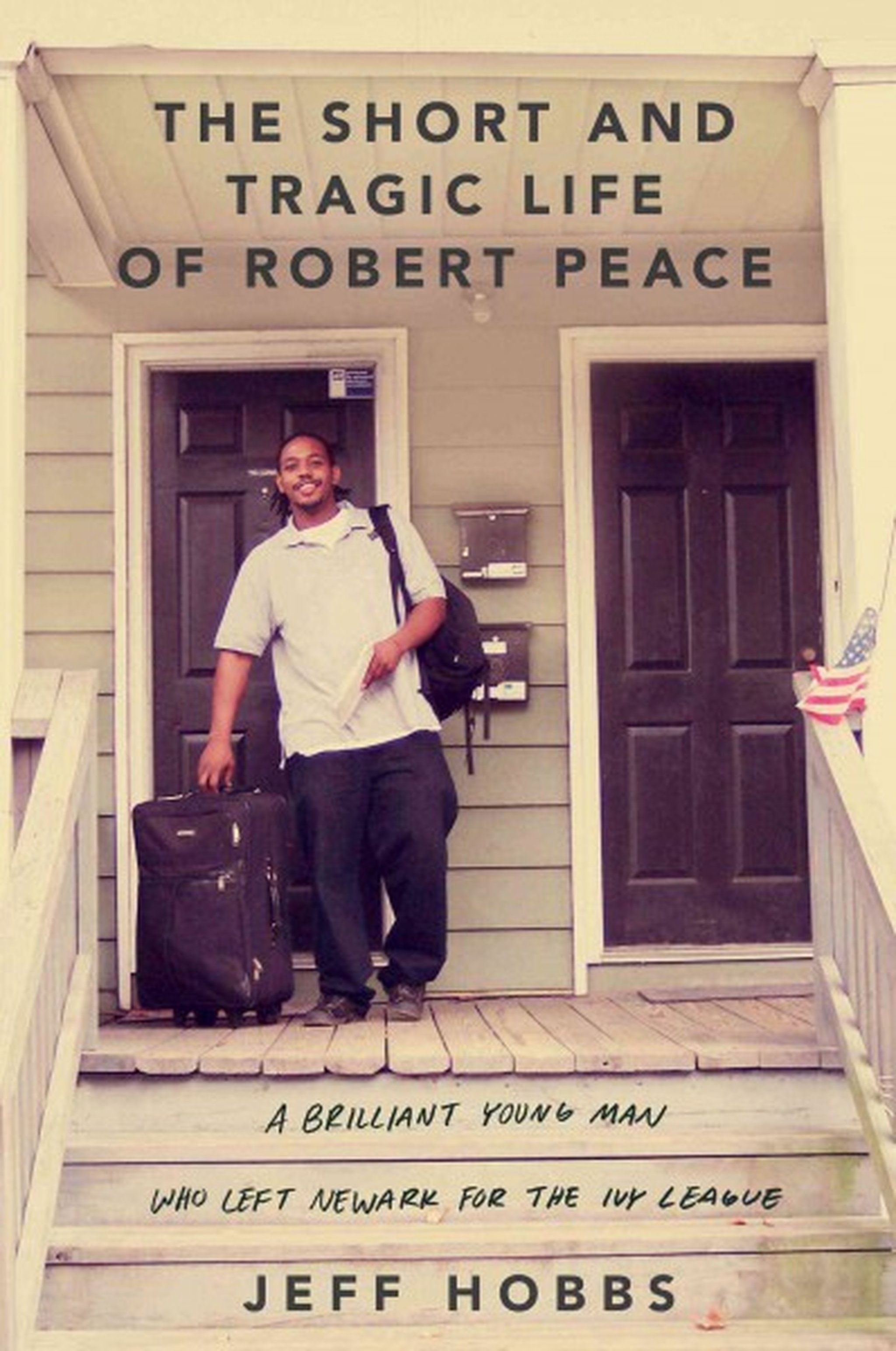
The Short and Tragic Life of Robert Peace by Jeff Hobbs
After reading Just Mercy by Bryan Stevenson, this book was listed consistently that other people had purchased it as well.  The plot line sounded intriguing: bright young black boy in Newark, New Jersey goes to Yale.  However, the title rather gives it away and his potential heroic tale of making it out of the 'hood' goes awry.  I was drawn into the story quickly and was intrigued by Robert's young childhood - raised by a single mother with a father in prison for first-degree murder, the rotating family members in his home, the struggle to send him to private schools, the numerous adults in the educational system who gave him a helping hand, the water-polo team who gave him a family - all of these things helped to explain how Robert Peace became the poster boy for someone who made it out.  However, Jeff Hobbs, his Yale roommate, is rather too wordy for my taste; an editor who slashed and burned a bit more could have been helpful.  As we start to see Robert's life go wrong in the class-conscious, snobby world of the Ivy League, the story begins to drag.  I found myself frustrated not only with the writing style, but with Robert himself, which I think is the actual point of this book. While I was not a fan of Hobbs' writing, I do think this book has great potential as a book club book, with many different themes to discuss and probably quite a bit of contentious and intriguing possibilities for disagreement, which in my experience, can make for the best club discussions.

Getting Life by Michael Morton
After the previous two non-fiction books on justice, or the lack there of, for young black men in America, this was a fascinating look at a court case where a thirty-three year old white man, living on the wrong side of the county line in the state of Texas, was wrongly accused, tried, and convicted of the murder of his wife.  Autobiographical, we see the entire twenty-five years that Michael Morton lived in prison, as well as his previous life with his wife.  The 'normal' marital spats that become fodder for conviction, the toll his conviction takes on his elderly parents, and the life he must make for himself in prison is quite a compelling story.  My first thought upon finishing this book is that it would be the perfect book to give someone who had to report to a penitentiary; Michael Morton does a stellar job of becoming not only the perfect prisoner, but figuring how to work the gang system, to find the perfect prison job, to get noticed by an innocence project, and to come out of prison not being destroyed by a system that is hypocritically called rehabilitation.  This is a great read for someone who is fascinated not only by the legal system and its corruption, but also by the complexity of humanity for dealing with inhumane conditions.  It is also a compelling argument against the death penalty.

Straight Man by Richard Russo
I have had dozens of people tell me to read Richard Russo, that he is a beautiful writer, having earned the multiple awards given to him.  Having found an earlier book, Bridge of Sighs, a bit of a drag, I was reluctant to try another.  The owner of the best independent book store around, Village Books, convinced me otherwise, telling me if I loved Dear Committee Members, I would like Russo's Straight Man equally; he was accurate.  The story involves another curmudgeonly old English professor, William Devereau Jr., who heads up a very contentious department at a small regional college in Pennsylvania.  Having reached the pinnacle of published author and professor at a young age, middle-aged William seems to be rather aimless, taking unprecedented joy in poking fun at his various department members, dreaming of sexual conquests of his wife (yes, his wife, not himself - hilarious), and deriving great joy in his ever-running battle with the dean about financing, while he threatens the life of the pond geese over the perceived lack of funding.  Russo nails the humor in the story, as well as the pseudo-tragic life of small town professors.  Beautifully written, it is not a fast read as one tends to savor each of Russo's sentences.  Anyone who has been involved in education or the academic life, or feels a bit cheated by their dreams in middle-age, might enjoy this book.

The Rosie Project by Graeme Simsion
Yet another over-the-top, bestseller that absolutely everyone has read that sat around on my bookshelf for months, as my stubbornness to follow the crowd prevailed.  Big mistake...fabulous book.  I had heard about the premise:  super awkward Asberger-ish genetics professor named Don, looking for a wife in the attempt to have a normal life, hands out screening surveys looking for the perfect mate.  Of course in walks Rosie, everything he is not looking for - disorganized, spontaneous, perpetually late, and heaven forbid, a smoker!  As cliche as it may appear on the surface, it truly does not play out that way.  Simsion nails the voice and never loses Don's stunted, painfully awkward, complete lack of humor or social skills.  I found myself laughing out loud and cheering for these two misfits - absolutely delightful book:)


Things Half in Shadow by Alan Finn
Thanks to my fellow book-aholic friend, who reads blogs and book reviews obsessively, she found this winner and passed it my way.  It has everything I love:  historical fiction taking place in Philadelphia in 1869, as it recovers from the destruction of the Civil War; haunting ghostly plot line with mediums and tales from the dead; and intriguing characters, both major and minor.  Edward Clark, newspaper reporter and long-lost son of a mysterious magician, has been given the task to sniff out the fake mediums in town who are bilking numerous people out of their fortunes, as they attempt to contact their loved ones, often lost in the war.  His first prey turns out to be Lucy Collins, a beautiful young woman with a mysterious past of her own, with absolutely no intention of losing her thriving seance business due to bad publicity.  Add in a tentative romance with a daughter of the wealthiest man in town, a murder of a legitimate ghost-seeker and a scrubwoman, a long list of potential suspects and you've got a humdinger of a story.  No bad language, little to no gore displayed about the murder victims, only chaste kisses and no sex - this is a G-rated novel that packs a great punch.  Built for a sequel, I look for Finn's next novel soon.


Thursday, December 18, 2014

BEST OF 2014


Ready Player One by Ernest Cline:  Completely taken by surprise by the obsessiveness which I used to finish this futuristic, video-gamer, high-interest YA book, this was truly one of my surprising favs of the year (and yes, the movie is already in the making - cannot wait)
The Museum of Extraordinary Things by Alice Hoffman: This book has three 'can't miss' items for me - it took place in NYC at the turn of the century incorporating tons of history, it was about a circus/freak show, and it is written by one of my favorite authors, who could write a grocery list and I would find it beautiful.
Lexicon by Max Berry: This futuristic tale is incredibly well-written, and eerily spot-on when it comes to the possibility of manipulating people with words (think... FoxNews gone to the dark side)- great thriller/mystery.
All the Light We Cannot See by Anthony Doerr: Goodreads award for Best Historical Fiction - I concur.  The writing, the juxtaposed story of a young German techie-genius and a blind girl, in a walled city in France during WWII - it is spectacular.
The Pearl that Broke Its Shell by Nadia Hashimi: This was a debut novel by a gifted young Afghani woman, telling two stories across time: a woman who dresses as a man to guard the king's harem and a young girl who masquerades as a boy in modern-day Afghanistan.  It is not a story I will soon forget.
Station Eleven by Emily St. John Mandel and The Stand by Stephen King: If you love dystopic novels as I do, you cannot miss either one of these.  The first is the newest take on a virus destroying our world, as we look at ways to rebuild our society; the second is the original, the one that all other authors look to as a model for dystopic novels.  Both are well worth reading.
Just Mercy by Bryan Stevenson:  Best non-fiction of the year for me, this book exposes the two justice systems that exist in our country today: one for the wealthy, the well-connected, the well-to-do, and another system for the poor, the disenfranchised, the colored, and the handicapped.  You will not easily forget this book.
Dear Committee Members by Julie Schumacher:  Short, wickedly funny, mean-spirited, nasty at times, and ultimately redemptive, this collection of letters by a grumpy college professor is worth the afternoon of reading - you will laugh out loud and enjoy every minute of his academic year.

Saturday, December 6, 2014

Holiday Reading

Just Mercy by Bryan Stevenson
It's amazing the things you learn when you watch Jon Stewart's The Daily Show; without my daily shot of comedic news, I never would have heard of this book or this intriguing author.  Stevenson is a professor at NYU, but has spent the majority of his law career in an equal justice law service begun by him in Alabama back in the early 1980's.  Just Mercy is a timely book, considering the demonstrations, media attention, and high emotions currently surrounding race and the inequities seen in our judicial system.  Stevenson is able to portray his own battles, and the battles of his clients, through a system that is inherently weighted against the poor, the handicapped, and the black and brown people in our country.  Fascinating and heart-wrenching stories abound:  the black man accused of murdering a young white woman, with a dozen witnesses placing him elsewhere, sentenced to death; the mentally handicapped teenage boy sentenced to life without the possibility of parole; the mentally ill young girl railroaded into a confession.  Powerful, insightful, and incredibly moving, Stevenson shines a light on a justice system that frequently only gives 'justice' to the rich and powerful in our country.  This is truly a book all Americans should read, no matter their social class, race, or area of this country they inhabit - it is life-changing.

Birth of the Pill:  How Four Crusaders Reinvented Sex and Launched  Revolution by Jonathan Eig
If you like non-fiction, I guarantee you will like this book.  It's a fascinating look at the decade leading to the 1960's introduction of the Pill.  We see Margaret Sanger, years after her turn-of-the-century infamous media splash.  She has become an alcoholic, pill-popping, strange little woman who still has the power to get the medical community to rally around women's rights.  We also meet the moneyed philanthropist who is willing to finance the greatest change for femininity the world has ever seen, as well as the two doctors who research, who go through trial and error after error after error, who buck the Catholic Church and the naysayers and the government and everyone else who wants to 'keep women in their place.'  Quite honestly, I had always taken birth control for granted, having come of age in the eighties.  It is quite the revelation to see the power of being able to control your own body gives to women, the life-changing new opportunities it opens up, and the financial empowerment it brings to the home.  It is a beautifully written narrative of some fairly brave people who changed the lives of millions.  Well worth the read.

The Killer Next Door by Alex Marwood
Having loved Marwood's first book, The Wicked Girls (reviewed earlier on blog), I eagerly awaited this next novel, and I was not disappointed.  If anything, I found it equal to, if not better, than the first.  The plot line begins in the present, with two London police investigating the death of a young woman.  As the novel spins back through different times, we start to see the outlines of the plot and the quirky characters that inhabit the nasty boarding house where they let apartments.  There's the requisite kindly old woman who has lived in the apartment seemingly forever, constantly telling the landlord about the dreadful smell and clogged drains in her basement flat.  The landlord himself is a creepy, handsy, fat deviant who specializes in ignoring his tenants.  Add to the mix a young runaway, an odd music teacher and the mysterious thirty-something woman who seems to want to hide from the world, and you've got a humdinger of a mystery.  Marwood reels out the secret lives of them all slowly and deliciously as the reader tries to put it all together.  This is one creepy mystery with some stomach-churning death scenes but if you like well-written, very British stories, you will love this one.

The Secret Place by Tana French
Admittedly, I'm a big fan of Tana French and her Dublin Detective series, ever since her debut years ago of In the Wood.  While The Likeness was her one miss, in my opinion, Faithful Place and Broken Harbor were both extremely well-written novels with fascinating, complex characters.  In The Secret Place, she brings back a couple detectives from those books and places them in a rather snotty, aristocratic private girls school.  A year ago a boy's dead body was found on their grounds, and suddenly a note shows up on the school bulletin board, dubbed 'the secret place' that says "I know who killed him."  And thus the mystery begins.  The entire book envelops just one day of the police investigation, as the two detectives interview the power clique and the odd-ones-out clique.  Interspersed one after the other is the story of the past, as the months unfold that lead to the boy's death.  The relationship of the detectives is fascinating to watch; the embittered female detective, partner-less in the Murder Squad due to her attitude as well as her gender; the young detective trying to claw his way out of the Cold Case Squad, desperate to be accepted in Murder; and the older detective whose daughter is a pivotal character in the plot, both a master at mind games.  This is a well-written, thoughtful, complex mystery.  If you have liked Tana French in the past, it is a winner.

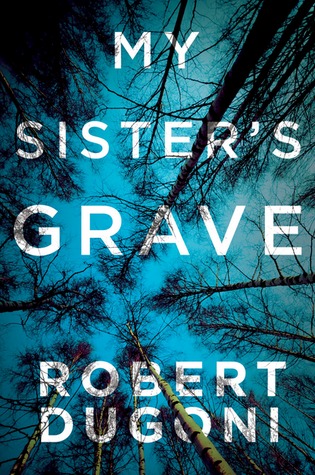
My Sister's Grave by Robert Dugoni
Another good mystery, but not nearly as complex and detailed as the two previous books.  However, if you like a good page-turner, enjoy reading about the Northwest, and need a good vacation mystery, this is a good one.  Plus, if you're an Amazon Prime member and own a Kindle, it's free on the library - can't beat that.  The female detective investigates murder for the Seattle Police Department, and one day gets a report that a body has been found in her hometown that is suspected to be that of her sister.  As the detective returns to the small town of Cedargrove,  Dugoni also spins the reader back to the time period of twenty years ago, the shooting competition the sisters won, the engagement, the disappearance, the trial of the accused, the small-town secrets, the dissolution of the family - and everything leads to the final culmination.  While some of the story may be a bit cliche - the old friend who becomes a lover, the gruff sheriff, the kindly storekeeper - it's a well-laid-out plot with some good twists in the end.


News From Heaven by Jennifer Haigh
As I searched the book lists for some titles to bring to our book club 'picking' meeting at the end of summer, I deliberately looked for some good short story anthologies, just for a change of pace.  While short stories are not typically what I am drawn to, Haigh is one of my favorite authors so I figured we could not go wrong here.  Yep, I was right:)  Having already read Haigh's novels Bakerton Towers, The Condition, Mrs. Kimble, and Faith,  I am a serious fan.  She has an innate ability to breath life into normal people, to develop her characters so deeply that you hurt with them as they go through the normal complexities of life.  After the hundreds of books read in the last few years, I can still tell you every plot of those four books; Haigh sears these people and their life stories into your brain.  She really is that good.  News from Heaven is a compilation of stories that are all tied to Bakerton, the small mining town in Pennyslvania where Haigh set her first book.  Each story stands on its own, but is connected in some way to previous and future tales.  Her characters have very familiar problems - lost love, heartbreak, war, family dysfunction, death - but as you read, you become invested in their lives.  You won't find neatly tied up packages at the end, as that is not the way real life works either.  I loved this book and cannot wait for the discussion this month at book club.

Dear Committee Members by Julie Schumacher
What a pleasant relief to pick up a book that is only 183 pages long, and not the requisite 480 that every author seems to be determined to write; a good, crisp, well-told tale can be a beautiful thing.  I read Schumacher's book in just one day, and not just because it is short - it is utterly hilarious.  The book is an epistolary; in other words, the whole thing is a bunch of letters.  The letters cover a full academic year and summer in the life of one very curmudgeonly middle-aged English professor.  As he will tell you numerous times, he is tired of writing LORs (letters of recommendations) so he infuses his letters with some of the meanest, most satiric, wickedly funny tidbits that I wish all letter-writers would have; they would definitely be more entertaining for prospective employers to read.  The professor also details his life in his letters to various committees and university staff members, showing us his deadly literary career, his issues with former wives and girlfriends, and underneath all the vicious wit, a heart that actually believes quite strongly in the power of teaching literature and writing, God love the man.  If you have a secondary teacher or college professor on your gift list this month, do them a favor and buy them this book - it will hit just the right chord and make them laugh out loud.

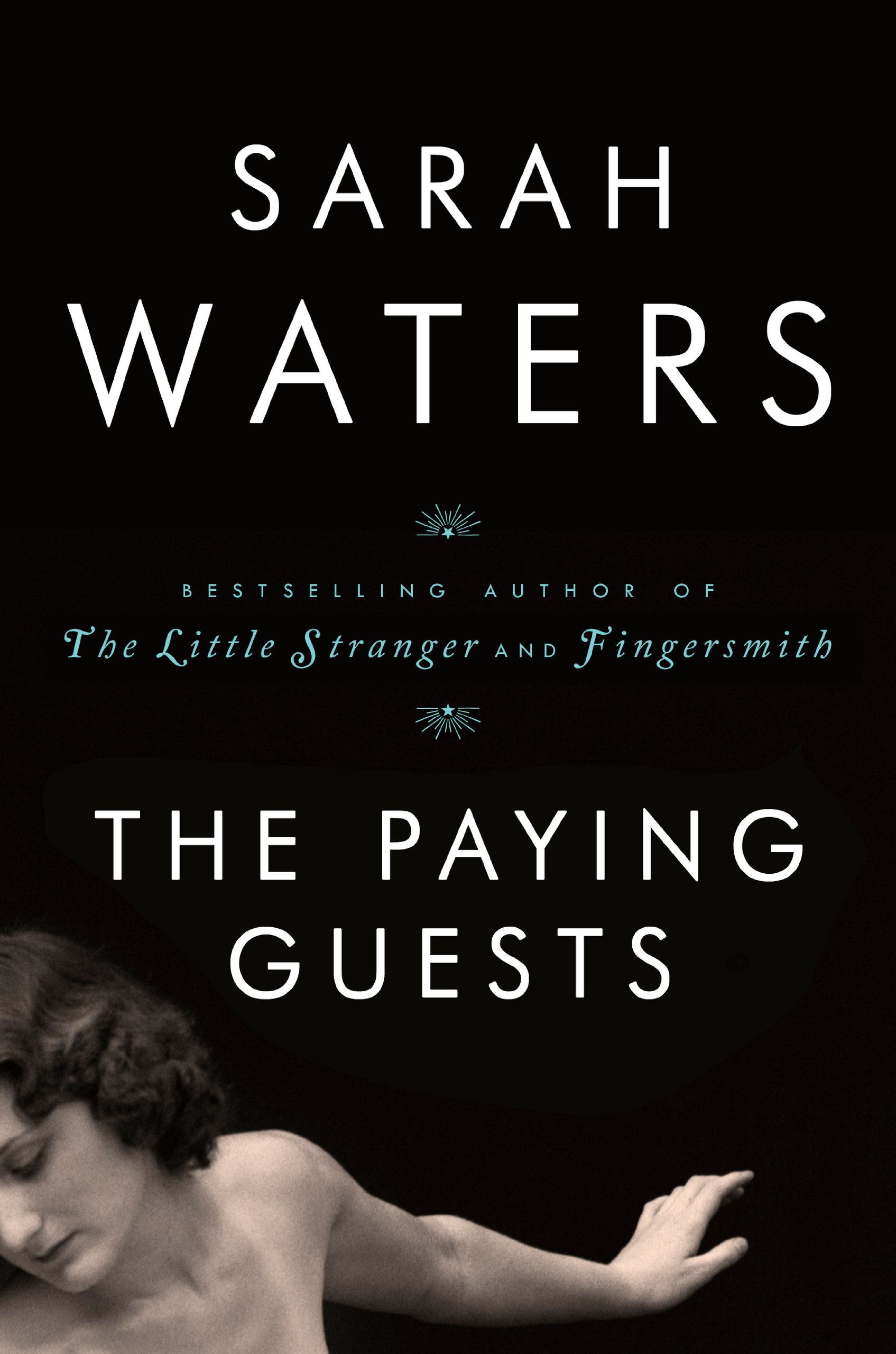
The Paying Guests by Sarah Waters
Here is one of 'those' books: award-winner, critically acclaimed, on best-seller lists, short-listed for Man Booker prize, etc. etc. etc.  and yes, you guessed it, I couldn't stand it.  Normally, I don't review the books I don't care for, but I felt compelled as this one seems to be on everyone's 'to be read' list.  My advice would be...don't waste the time.  It's a viciously long book that could have used a more judicious editor.  The first two-thirds drones on and on, setting up the post WWI situation of  Frances and her mother, who have lost their father and two sons/brothers, as well as their nest egg.  Previously rather well-to-do, they have to resort to letting out rooms to a young couple, Mr. and Mrs. Barber, who are of the 'lower' classes.  Ms. Waters then spends an inordinate amount of time on the love affair of Frances and Mrs. Barber; I don't care who's having sex with whom, I don't want to read the details for a dozen pages - it gets tiresome.  It took until the final last quarter of the book before the plot line thickens and creates some tension with a murder, a trial, and a lover's spat.  Waters can definitely write a beautiful sentence and gorgeous prose; she just writes waaaaaay too much of it for me.

First Impressions:  A Novel of Old Books, Unexpected Love, and Jane Austen by Charlie Lovett
Lovett's first book, The Bookman's Tale (reviewed on earlier blog), was one of my very favorites of last summer.  Therefore, I was excited to see his next one come out with a similar idea, a plot line stretching across historical eras to one of my favorite authors.  In this case, it was a mix of a current Oxford literature student whose family library collides with Jane Austen's first draft of Pride and Prejudice.  The story flips back and forth from present-day, to the 1800's of Austen's young writing life.  If you are an Austen fan, you will recognize her story lines, her family life, and the beginnings of some rather famous novels.  I thoroughly enjoyed the historical aspect, and for most of the book, loved the tension and mystery surrounding the missing book.  I was ready to give it five stars...and then came the last thirty pages.  Crushingly disappointing, with so many cliches I could not count; the bad guys and good guys were cut right out of paper...bleh.  It ruined what was really quite a good tale.  It almost seemed as if Lovett was in a rush and just slap-dashed off the ending.  Phooeey.

Monday, November 3, 2014

Creepy murder mysteries and more...

Dr. Mutter's Marvels: A True Tale of Intrigue and Innovation at the Dawn of Modern Medicine by Cristin O'Keefe Aptowicz
The long title leads one to think this is a story of a charlatan, out to carve up humans and destroy the good name of 'doctor.' However, Dr. Mutter is one of those intriguing characters in American history of which few of us have ever heard, with the exception of plastic surgeons who may know of the "Mutter flap."  I began this wonderful non-fiction book looking for the monster, and instead I found a pretty spectacular human being, living in a fascinating time of great discovery in the world of medicine, and more particularly, in medical surgery.  Philadelphia was a hotbed of politics and intrigue amongst doctors, and competition between the universities found there.  Add in a young, handsome 'dandy' of a doctor named Mutter, his entertaining lectures, the beginning of antiseptic surgery and the inability of old school docs to accept Lister and his fans, as well as the idea of surgery during consciousness (yes, you will find yourself squeamish after a few shocking tales) and the discovery of ether, and you've got a great tale.  I suspect some of the medical terms went right over my head, but I was truly fascinated by the beginnings of what we believe to be 'modern' medicine.

The End of Life Book Club by Will Schwalbe
It's hard to know where to start with this book - it is one of those that will stay with me for many years.  It begins with Will Schwalbe, a book editor who is less-than-inspired with his current job, the diagnosis of his mother's stage four pancreatic cancer, and their realization that the two of them make up their very own book club.  As Will unwinds his tale of the final two years of his mother's life and their discussions of a variety of books, we share his memories of his childhood, a life surrounded by books, and the incredible life his mother led.  I found myself constantly adding to my "To be read" list as I vicariously participated in their book chats, inspiring myself to read some books I've always told myself to read, like Wallace Stegner.  These two literary nuts were voracious, had eclectic tastes, and were honest in their evaluations, willing to be laudatory as well as critical.  I loved that they read the 'biggies' as well as brain candy like "Girl with the Dragon Tattoo."  Those are my kind of readers!  Will's mother was an inspiring woman, one of the first 'working' moms who, upon 'retiring' as the head of Harvard admissions, went on to create organizations that helped build libraries in Afghanistan.  I also found myself writing down some of her great one-liners to use in heart-to-hearts with my own children.  This was a truly inspirational, heart-warming, lovely book; it definitely would be a fantastic book club read.

Me before You by Jojo Moyes
After seeing this book on bookshelves for awhile, as always wanting to avoid the 'overly popular, everybody's reading it crowd,' a friend of mine pushed it, with the perfectly good reasoning that a reason exists why everyone is reading it.  She was right...it was really a good story, told in an engaging voice, with two pretty wonderful characters. The story takes place in a sleepy little village in England, where life probably hasn't changed for the last few hundred years; in other words, this is not a good place to be a young twenty-something adult.  However, Louisa (Lou) is rather stuck in a rut, with an exercise-obsessed boyfriend who pays her little attention, a dead-end job at a tea and scone cafe, and parents who expect little of her and save all their expectations for their other daughter, a single mother.  Lou then takes a new job - caregiver for a 34 year-old man who is a quadriplegic...and thus the story begins.  I found it impossible to put this book down, as Will and Lou both 'save' each other and grapple with life's most difficult questions - how do we choose who we love, what has ownership over one's body, do we have the right to choose to live or die?  The themes in this book will resonate with many of us - I would highly recommend this book to anyone, even if you're a history/mystery fan like me - it's a great story.

The Narrow Road to the Deep North by Richard Flanagan
I was inspired to read this year's Man Book prize winner (best fiction of the year by a U.K. writer) after reading The End of the Life Book Club; I figured it was time for some real literature after a bit of brain candy.  Admittedly, I sometimes dislike the 'prize winners,' as the writers tend to be in love with their own voices, get too verbose or too thematically heavy and forget about the plot, or create dislikable characters.  However, Flanagan has written a true masterpiece and for those of us who love history, this book is truly magnificent.  The main character, Dorrigo (Dory) Evans is a rather charming reprobate, a successful surgeon in Australia who likes to cheat on his ever-patient wife.  As the story unfolds, Flanagan pops all over the place in time, creating some confusion at first but stick with it - it all starts to gel about one-third of the way through the book.  Dory is haunted by his time as a WWII POW in Burma, as his Japanese captors force their prisoners to cut through the jungle to build a railroad.  Think Louis Zamperini's time in Unbroken and then multiply it by ten, and you will understand how inhumanely these prisoners were treated.  Flanagan is a sparse writer who is able to create intriguing characters amongst these prisoners in short sentences and small episodes.  He also weaves in a doomed love story back home, along with tons of allusions to the great works of literature - I particularly enjoyed the references to the Odyssey and the many long-term effects of war on all people involved, not only the soldiers.  (Let's not forget - Penelope waited for 20 years for Odysseus to come home - couldn't have been easy)  Is this book uplifting and inspiring?  Yes and no...it is moving, complex, thought-provoking, disturbing and an incredible learning experience.  I highlighted numerous lines, which I rarely do when reading for pleasure.  This is well-deserving of its prize and definitely a rich piece of literature.

Broken Monsters by Lauren Beukes
Since reading Beukes' first novel, The Shining Girls,  I have been eagerly awaiting this South African's second book.  I loved her first one, though it haunted my dreams and thoroughly creeped me out (serial killer who travels through time - it's a doozy - earlier post on this blog).  Broken Monsters is a worthy follow-up.  Beukes tells the story through a variety of characters:  the Detroit detective put in charge of the case of the murdered boy whose torso was found glued to a deer's hind legs, a single mom struggling with a rebellious teenager; the daughter herself, who is entangled in the underworld of internet stalking; T.K., the reformed alcoholic who works with the seamy side of this broken city's poor; and the killer himself, an evil entity who wants his 'artwork' to speak for him.  This book reads quickly, as the chapters are short and the characters' point of view change frequently, showing the reader all sides of each event as the investigation unfolds.  Beukes reminds me a bit of Stephen King in her ability to create complex, intriguing characters, amidst creepy surroundings (Detroit after bankruptcy is not a pleasant place), and a plot line that blends reality, fantasy, and the occult in a nightmare-inducing, but throughly un-put-downable novel.  In other words, it's just great brain candy.


Monday, October 13, 2014

Rainy Day Reading

A Sudden Light by Garth Stein
Five years ago, I fell in love with Stein's The Art of Racing in the Rain.  His delightful narrator of Enzo, the dog who loved to watch car-racing, stole my heart and gave my current pup his name.  I have occasionally wondered what this author was up to in Seattle, but he is finally back with a quintessential 'Northwest' book.  Stein delivers another wonderful narrator in the form of Trevor (or Clever Trevor as his creepy Aunt Serena calls him), a fourteen year old boy who comes with his father to the city of Seattle to ostensibly deal with his elderly father, his fractious sister, and the family estate.  However, this is a family steeped in tragedy, secrets, murder, and betrayal, giving Trevor, who is known for his insatiable curiosity and desire to solve a puzzle, a rift to heal.  Stein sprinkles in some wonderful history of Northwest logging, along with some familiar names to those of us who were born and raised here and definitely shows his Seattle-side when the aunt tells Trevor "if your pants reach to your ankles, your toes are hidden, and your forearms are covered, you're dressed in formal Seattle attire."  I admit, I am always drawn to tales of history, creepy family secrets, and ghosts who have a purpose for being still on earth, so this book was a big hit to me.  It would be a rich book club book as it deals with themes of love, materialism, and the journey of both life and death.

The Picture of Dorian Grey by Oscar Wilde
Speaking of book club picks, this was our October one, figuring we would go with a 'creepy' theme for the month of October.  While I definitely would not say this was that creepy, I am looking forward to our discussion as this book is ripe for controversy, insight, and reflection.  The kindle version is just .99 cents, but the most interesting part to me was the beginning biography of Oscar Wilde.  A flamboyantly gay man in Victorian England, his personal life is a story unto itself, culminating in his pauper's death in Paris, following two years in prison due to his lifestyle.  This novel of Dorian Grey reflects much of his own life, and his personal condemnation of his own life choices.  The story revolves around a young man who chooses to keep his physical beauty while his portrait shows not only his aging, but more importantly, the sin and evil he has embraced in his life.  I highlighted many lines, as the themes of beauty and love are discussed by Wilde extensively.  At times verbose, as many Victorian novels are, I ultimately found this novel to be quite provoking.  If your book club is looking for a 'classic,' this is a lovely choice, as it is relatively short, imaginative, well-written, with many topical subjects to discuss.  It also makes one reflect in how far we have come in our views of whom one chooses to love, and the sadness to see how many lives were destroyed by prejudice and bigotry in days gone by.

The Remedy by Thomas Goetz
As soon as my fellow book addict brought this to book club for our yearly picking, I was drawn to this non-fiction book.  We had previously read Under the Wide and Starry Skies, a tale of Robert Louis Stevenson and his battle with tuberculosis and the impact on his life.  When I read the list of famous people who had died of tuberculosis, it truly took my breath away - Eleanor Roosevelt, Jane Austen, George Orwell, Thoreau and the list goes on. One of history's biggest killers, we take for granted the antibiotics of today, but years ago, it was a shockingly common way to die.  This non-fiction book delves into the battle of bacteriologists from the inception of their field of study, to the isolating of the tubercular bacteria.  The story focuses on the German scientist who made great strides from the beginning, but then morphs into a tale of Arthur Conan Doyle (prior to Sherlock Holmes fame) and his uncovering of some rather questionable medical research practices.  We get to see the feud between Pasteur and Lister, as well the true beginning of the field of medical research that focuses on bacteria, immunology, and infection.  This book could have read like a textbook, but instead Goetz writes in a way that gives you both the facts and the history, but also creates suspense.  For anyone interested in medicine, research, or is just plain curious like I was about how we vanquished this terrible disease, The Remedy is a fabulous read.

The Stand by Stephen King
If you've read my blog before, you know I have an unhealthy obsession with dystopic novels.  You know...the whole 'life is over as you know it, we screwed up the world so how do we make it right?' kind of stories.  Knowing that, my daughter's boyfriend decided it was important to place a 1,400 page book in front of me and tell me that this was a book I would never forget.  While the size was daunting, I have to agree - this book will most likely stay with me forever.  Admittedly, I have only read one King book previously - Cujo - not King's best effort.  Plus, I really cannot handle occult-ish, creepy books as they give me nightmares.  However, sometimes the nightmares are worth it, as in The Stand.  King is truly a gifted storyteller and I understand why this novel is frequently pointed to as his masterpiece.  The plot line seems basic - government lets loose virus, killing 99% of the world's population, and the survivors have to figure out how to redo the world.  However, the characters in the story are so well-developed that one becomes invested in their survival as the story plays out.  Larry Underwood, the spoilt Hollywood singer, has a long road to redemption, Frannie's unintended pregnancy is now the least of her worries, the deaf-mute young man, Nick, becomes the savior who leads them, and Harold is the perverted picture of the bullied young man who can never fit in.  I read this book obsessively, waiting to see if the spiritual old woman from Nebraska would save the world, or if Randall Flagg, the embodiment of evil itself, would stamp the world with his own desires.  It's a humdinger and well worth the time invested into it.